



The 81st anniversary of the liberation of Auschwitz-Birkenau, a place more synonymous with depravity than probably any other corner of the earth, was marked in January.
Amid the horrors of World War II, there were sunbeams of Christian heroism.
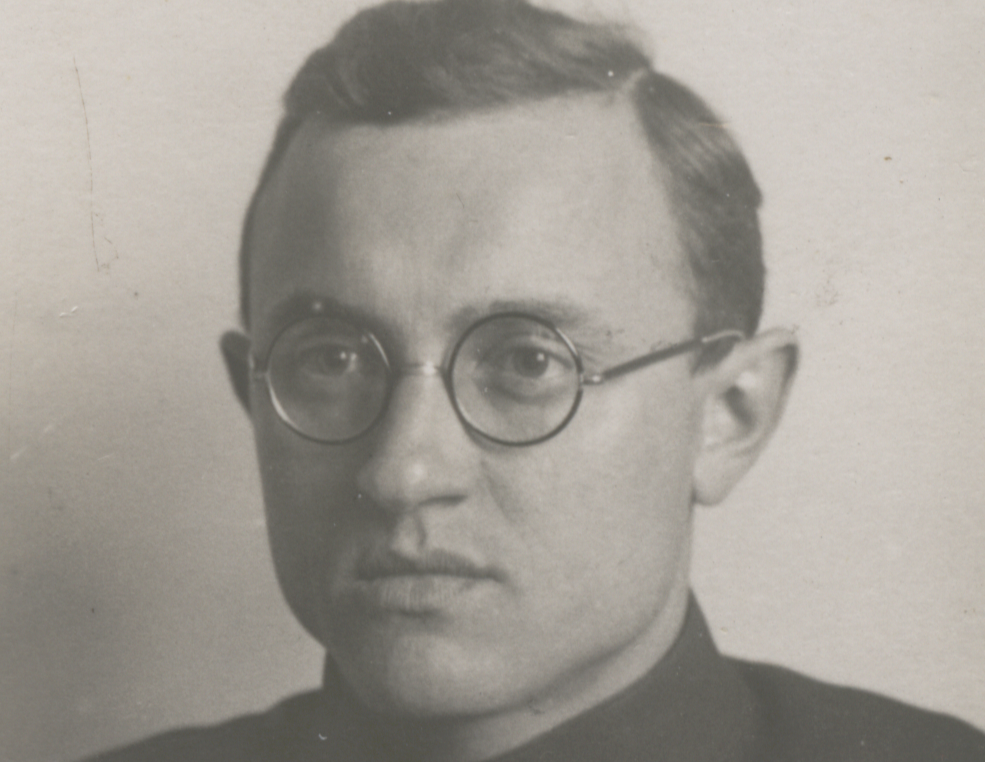
One few have heard of is the Polish Jesuit martyr Father Adam Sztark (1907–1942), who used his wits and mastery of disguise to perform spiritual and corporal acts of mercy despite the persistent threat of death.
On Sept. 1, 1939, World War II broke out as Nazi Germany invaded Poland from the west, with the Soviet Union attacking from the east on Sept. 17. Both Hitler and Stalin wanted to destroy the Polish Church, and according to the research of Father Felicjan Paluszkiewicz, SJ, 83 Polish Jesuits — 11% of the Jesuits in the country — were murdered by the Germans and Soviets between 1939 and 1945.
In 1939, Sztark became the chaplain of the Sisters of the Immaculate Conception of the Blessed Virgin Mary in Słonim (present-day Belarus) and custodian of the Marian shrine in nearby Żyrowice.
After the Red Army invaded the city, the Soviets spread atheistic propaganda and tried to isolate priests from the people. Yet Sztark traveled tens of miles on his bicycle to bring consolation to hospital patients incognito as an elderly man visiting his ailing daughter or to nursing homes pretending to be a Jewish visitor.
In 1941, Hitler invaded the Soviet Union. Although the Soviets’ injustices against Poland were a fresh wound, Sztark passed food and cigarettes to Russian officers in POW camps through barbed wire. He also cycled to the vicinity of Minsk to catechize Poles and offer them the sacrament of penance; many had not seen a priest since the Bolshevik Revolution.
As Słonim fell under Nazi German occupation, local Jews were shot by the “Einsatzgruppen” (mobile SS killing units); the survivors were confined to a ghetto. Unlike in Western Europe, the punishment for aiding Jews in occupied Poland was death, but this was no deterrent to Sztark.
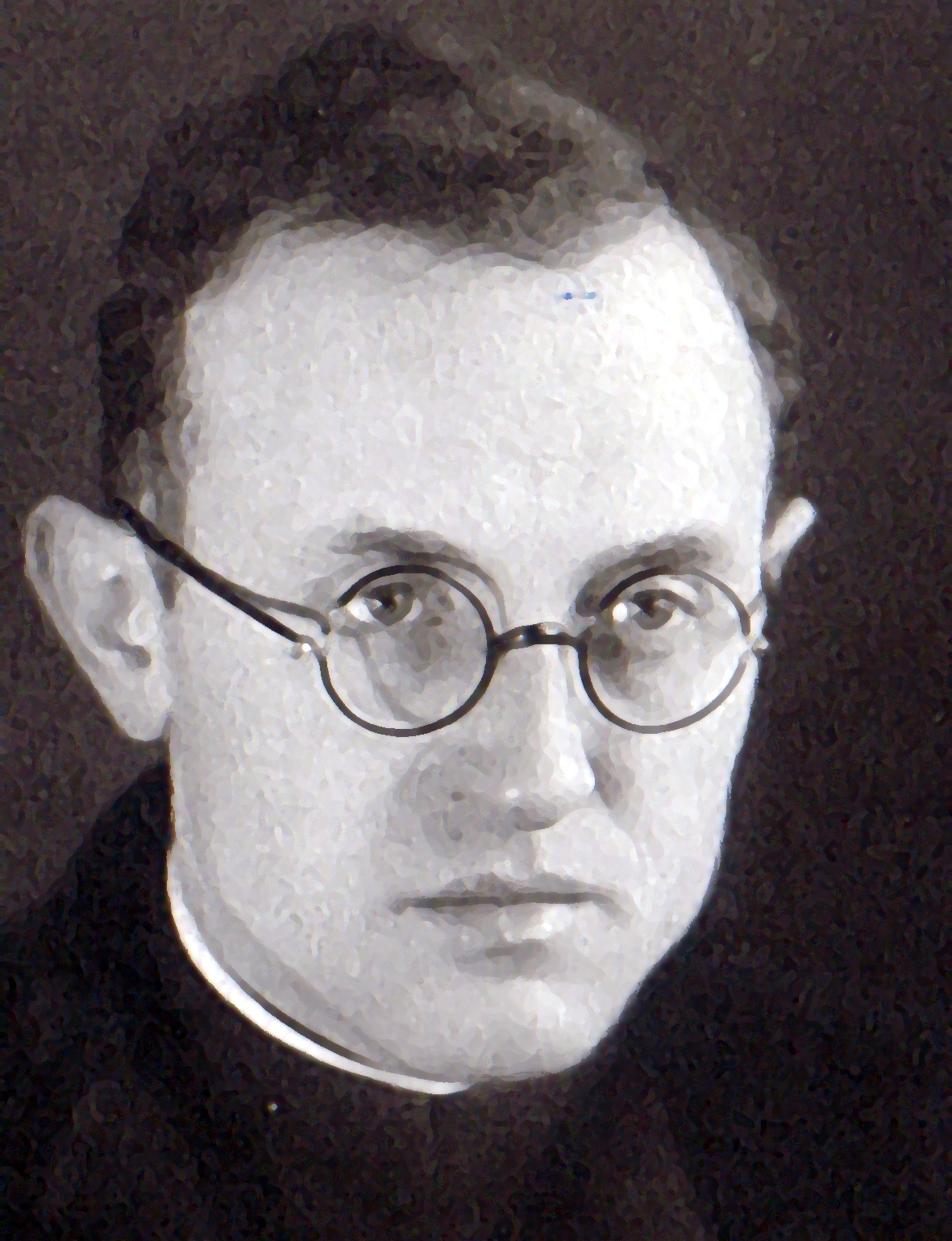
The priest had an unusual asset: Despite not being Jewish himself, he had a “Semitic” appearance. This allowed him to move freely in the Słonim Ghetto, where he gave food to starving people and from which he smuggled Jewish children, who were later hidden in convents and orphanages or placed with Christian families.
Escaping the ghetto’s perimeter, however, could have resulted in death, which he once narrowly avoided by jumping from the second story of a building after being pursued by German soldiers.
Sztark also gave Jews backdated baptismal certificates and baptized Jews. In December 1942, this Jesuit scarlet pimpernel snuck into the Słonim prison dressed as a Polish policeman. Hours before a group of inmates — Poles, Jews, and Soviet partisans — was executed, he consoled them and offered them the sacraments of penance and baptism.
Because of the dangers of this activity, the local underground offered to safely transport the priest to the General Government in occupied central Poland. Yet Sztark declined, saying that “a good shepherd does not abandon his sheep but gives his soul for them.” When a Belarusian informed Sztark that Belarusian collaborators had sentenced him to death, he likewise declined to escape.
On Dec. 18, Sztark and two Polish nuns, Sisters Ewa Noiszewska and Marta Wołowska — both beatified by St. John Paul II in 1999 — were arrested. They were escorted to the Gestapo headquarters and briefly imprisoned.
The next morning, they were brought by truck to Pietralewicka Hill to be shot.
In the final hours of his life, Sztark likewise baptized and heard the confessions of fellow inmates.
Used to seeing condemned prisoners panicking and screaming, the Nazi German hangmen were surprised that those awaiting their death were calm. Suspecting that this soothing effect was the work of the priest’s consolation, they offered to spare him, yet once more Sztark declined.
Echoing fellow Jesuit martyr Blessed Miguel Pro of Mexico, Sztark’s last words were: “Long live Christ the King! Long live Poland!” After the execution, a Belarusian took off his cassock, which was cut into pieces that many locals treated as relics.
In 2001, Yad Vashem, Israel’s Holocaust memorial institute, declared Sztark as Righteous Among the Nations, while in 2003 his cause for beatification along with that of 16 other Polish Jesuit martyrs of World War II was launched.
The extreme cruelty of World War II made many ask where God was. Yet it was during this painful time that martyrs like Sztark, Blessed Bernhard Lichtenberg, or St. Maximilian Kolbe beautifully illustrated Jesus’ words that there is no greater love than “to lay down one’s life for one’s friends” (Jn 15:13). As our world is once more torn by war, may their intercession aid those threatened by violence.