







English professor Leanna Brunner devotes much of her time to educating prisoners — work that she says is “some of the most rewarding work of my entire career.”
“The students are some of the most devoted, conscientious, and hardworking I have had,” Brunner told EWTN News. “Every week that I go in the prison to teach, I come out feeling even more insightful than when I entered. I learn as much from the students about life as they do from me.”
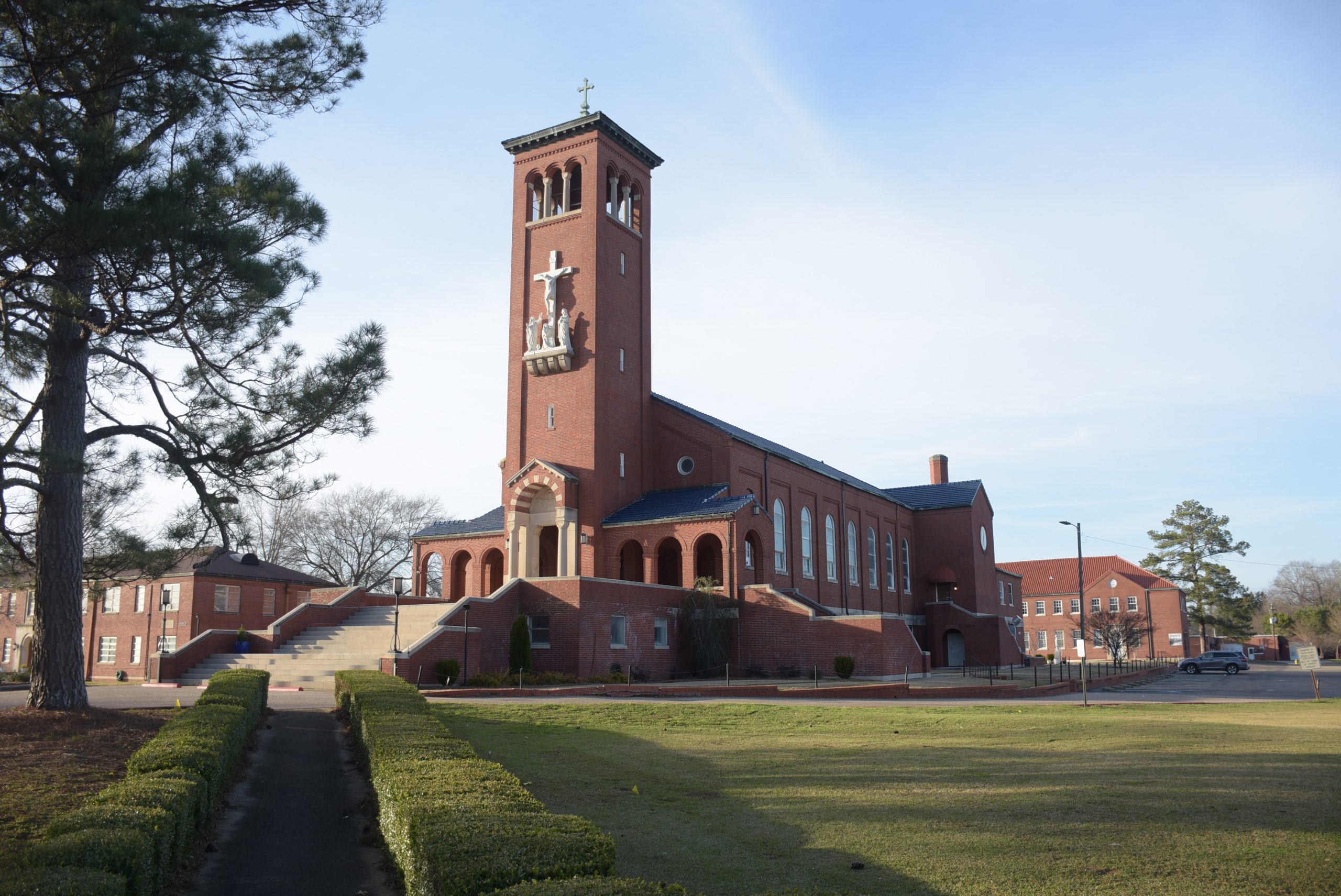
Brunner, an assistant professor at University of St. Mary, a Catholic liberal arts university in Leavenworth, Kansas, is involved in the university’s prison education program.
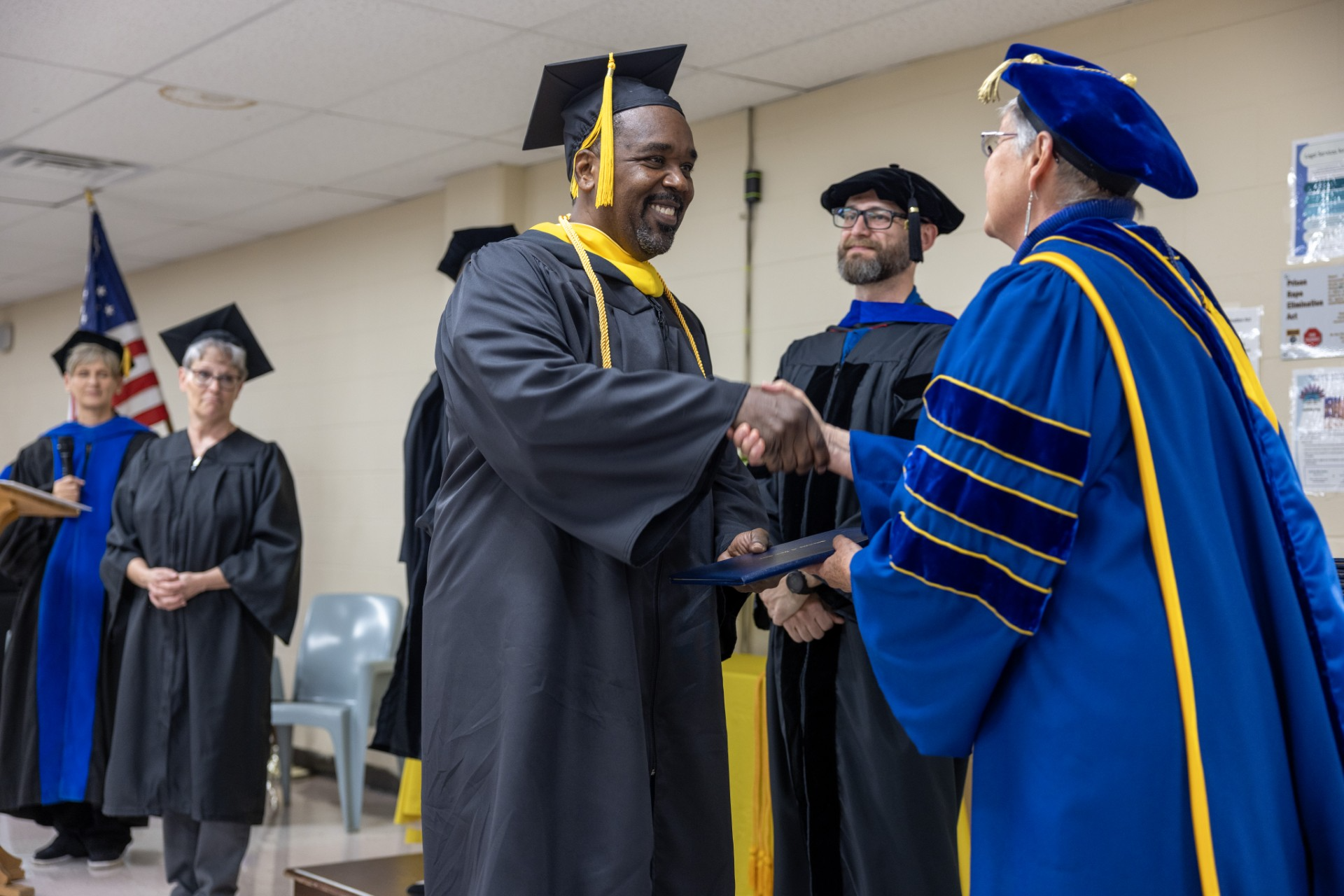
About 100 students are enrolled across federal, state, and military correctional facilities in the university’s program. Though the university has worked in prisons for decades, the program recently received full accreditation, according to a Feb. 26 announcement.
“This is not an auxiliary initiative but a central expression of our Catholic identity,” program director Michelle Workman said.
“We approach prison education as authentic higher education rooted in rigor, dignity, and long-term formation,” Workman told EWTN News. “Our faculty teach the same curriculum, and our students meet the same expectations, as those enrolled on campus.”
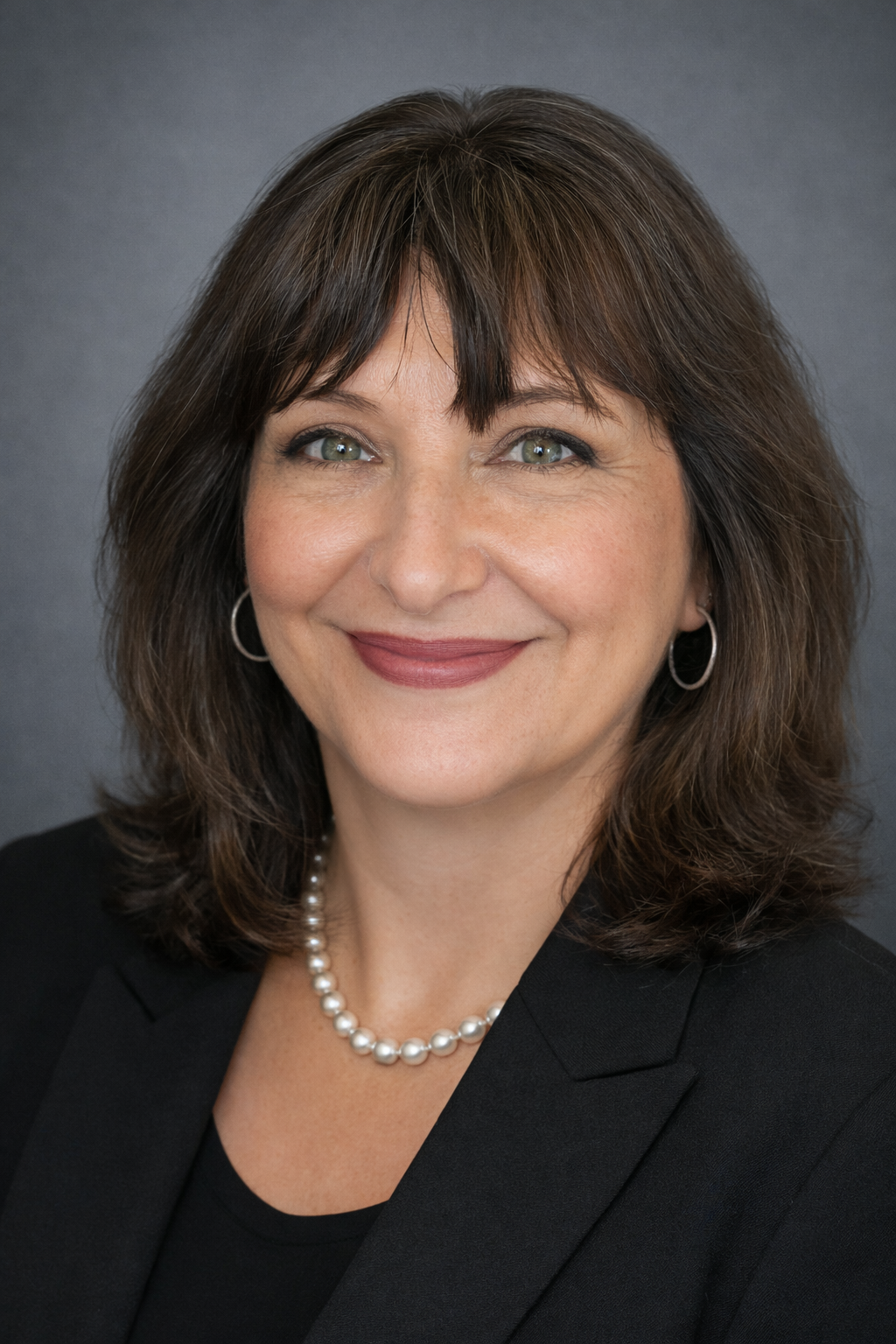
As the university is sponsored by the Sisters of Charity of Leavenworth, Workman said that “our mission calls us to educate the whole person and to serve those on the margins.”
“Catholic social teaching affirms the inherent dignity of every human person and calls us to solidarity and the pursuit of the common good,” Workman said. “Incarcerated individuals are not defined solely by their past actions; they remain persons created in the image of God, capable of intellectual growth, moral reflection, and meaningful contribution.”
Another professor involved in the program, Michael Hill, told EWTN News: “We are called to serve the least of these; to care for the imprisoned.”
“When I look at many of my students, I know that, with only a few different choices or a few different contingencies, I might well be one of them,” said Hill, assistant professor of history and theology at the university.
“I had several great professors in my life who radically altered my trajectory, not by being great, but by simply being present,” he continued. “If I can help some of these men, in however small a way, then my life has been for something.”
When asked about the challenges of the work he does, Hill said they are “beyond count.”
“On a personal level, many of our students come from backgrounds that don’t celebrate academic success. Many wonder if they truly belong in college. All carry the scars of life that ultimately placed them in prison,” he said. “I’m not only a teacher to many of our students, I’m also an adviser, mentor, and counselor. Wearing so many hats is an ongoing challenge. But those challenges make the successes so much sweeter.”
Sometimes, unexpected challenges arise that are “more to do with the nature of prison itself,” Brunner added.
“Flexibility is the name of the game because we never know what to expect on any given day,” Brunner said. “We constantly have to pivot, whether it be because of lockdowns, rules that arise because of prison culture, or any other unexpected event.”
But the in-person element of education “adds a layer of humanity to the program that other modes of learning cannot,” Brunner observed.
“Sitting in a classroom with these men again allows them to feel human,” she said. “Being there in person with them shows the men that I believe in their ability to change and that I am not going to judge them for the mistakes they have made in the past.”
“Sadly, their time in my class is one of the few times in their lives when they can feel like ordinary humans — a time when they can forget their bad decisions and focus on making a better life for themselves, both in prison and out,” Brunner said.
Classes give students a reprieve from the daily life of prison, what Hill described as “a space to be men, not just inmates or [a] number.”
“Giving our students a time and place to simply be — away from the violence and politics — matters,” Hill said. “Giving them face-to-face responsibility and accountability, not in a hierarchical relationship of authority with the state or its representatives, matters.”
Workman said higher education improves outcomes after prison, including reducing the likelihood of re-offending.
“Education inside correctional facilities strengthens families, reduces the social and financial costs of re-incarceration, and contributes to safer communities,” Workman said.
“Research consistently demonstrates that participation in higher education during incarceration is associated with significantly lower recidivism rates and stronger post-release employment outcomes,” she continued.
“Education builds cognitive skills, strengthens decision-making capacity, and supports the development of pro-social identity,” Workman said.
Brunner often sees the men “realize that they have the ability to learn, grow, and make better decisions.”
“Watching this kind of transformation is life-changing for me as well,” Brunner said. “I often tell my students that just because they are imprisoned physically, they do not have to be imprisoned mentally or spiritually. That is a choice, and there is no better feeling than to see them choose freedom.”
“At its core, however, this work is about hope — about restoring the possibility that a person can grow intellectually, rebuild identity, and reenter society with purpose,” Workman said.