

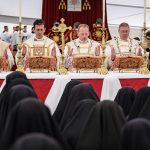



The dream of unity has long inspired the churches that trace their roots to the ancient Church of the East. Efforts to reach that goal continue, while Christians pray that, in God’s time, full unity will one day be realized.
Until then, these sister churches continue to work together in serving the Gospel and caring for their faithful, despite the growing challenges facing Christians in the Middle East, where their shared history began.
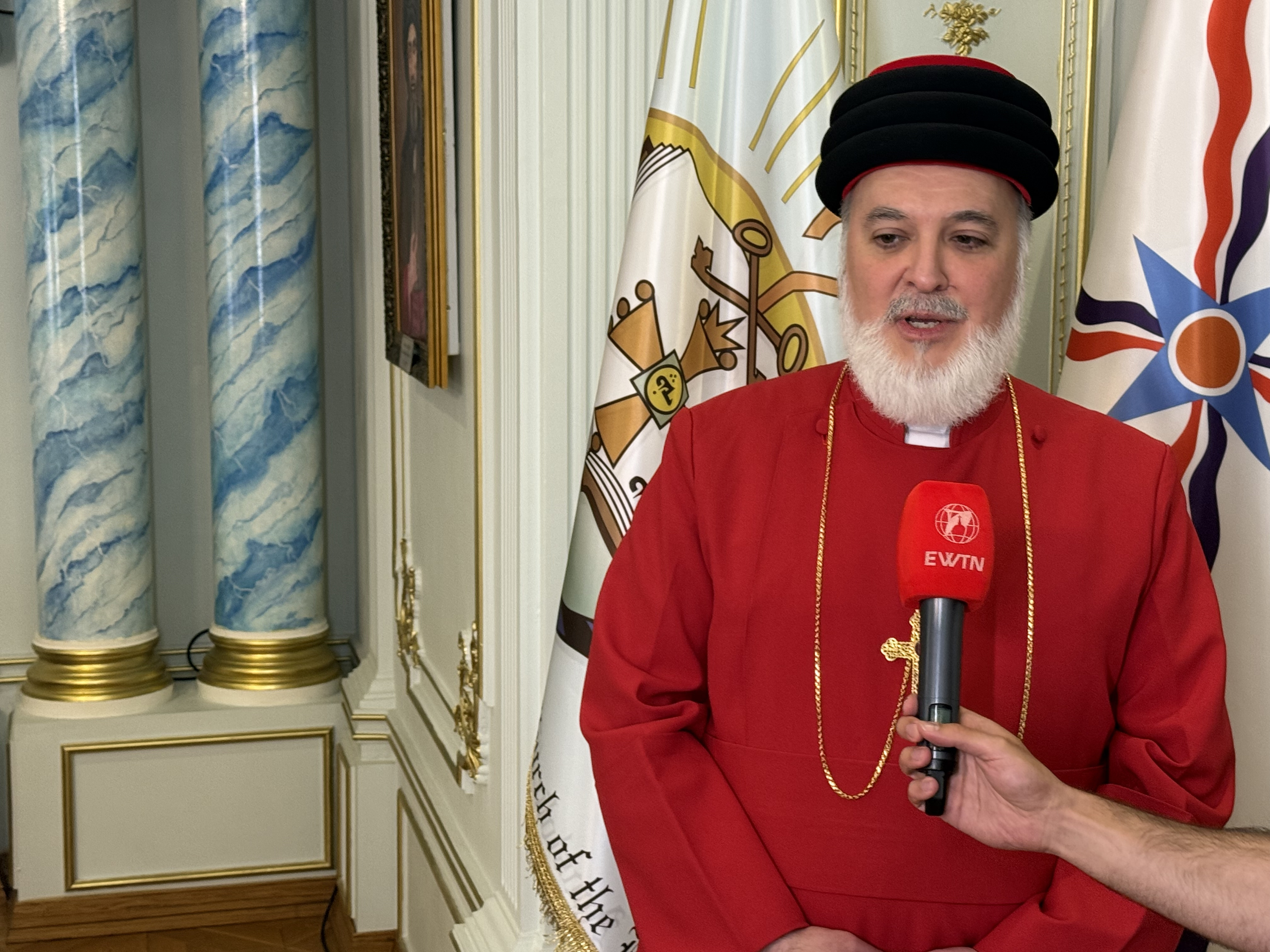
As the region goes through another difficult moment, and following the election and installation of a new Chaldean patriarch, ACI MENA, the Arabic-language sister service of EWTN News, spoke with Mar Awa III, catholicos-patriarch of the Assyrian Church of the East, about the historic relationship between the Assyrian and Chaldean churches and the future of Christians in Iraq and across the Middle East.
A new beginning
Mar Awa III described the election of Mar Paul III Nona in Baghdad in late May as the beginning of a new chapter in the modern history of the Chaldean Church after years marked by internal challenges, especially those connected to political issues.
He reaffirmed his commitment to strengthening cooperation between the two sister churches.
“Our churches share the same history, traditions, liturgy, and spiritual heritage,” he said. “We are committed to working closely together for the good of our Assyrian and Chaldean faithful, both in our homelands and throughout the global communities.”
Guided by divine providence
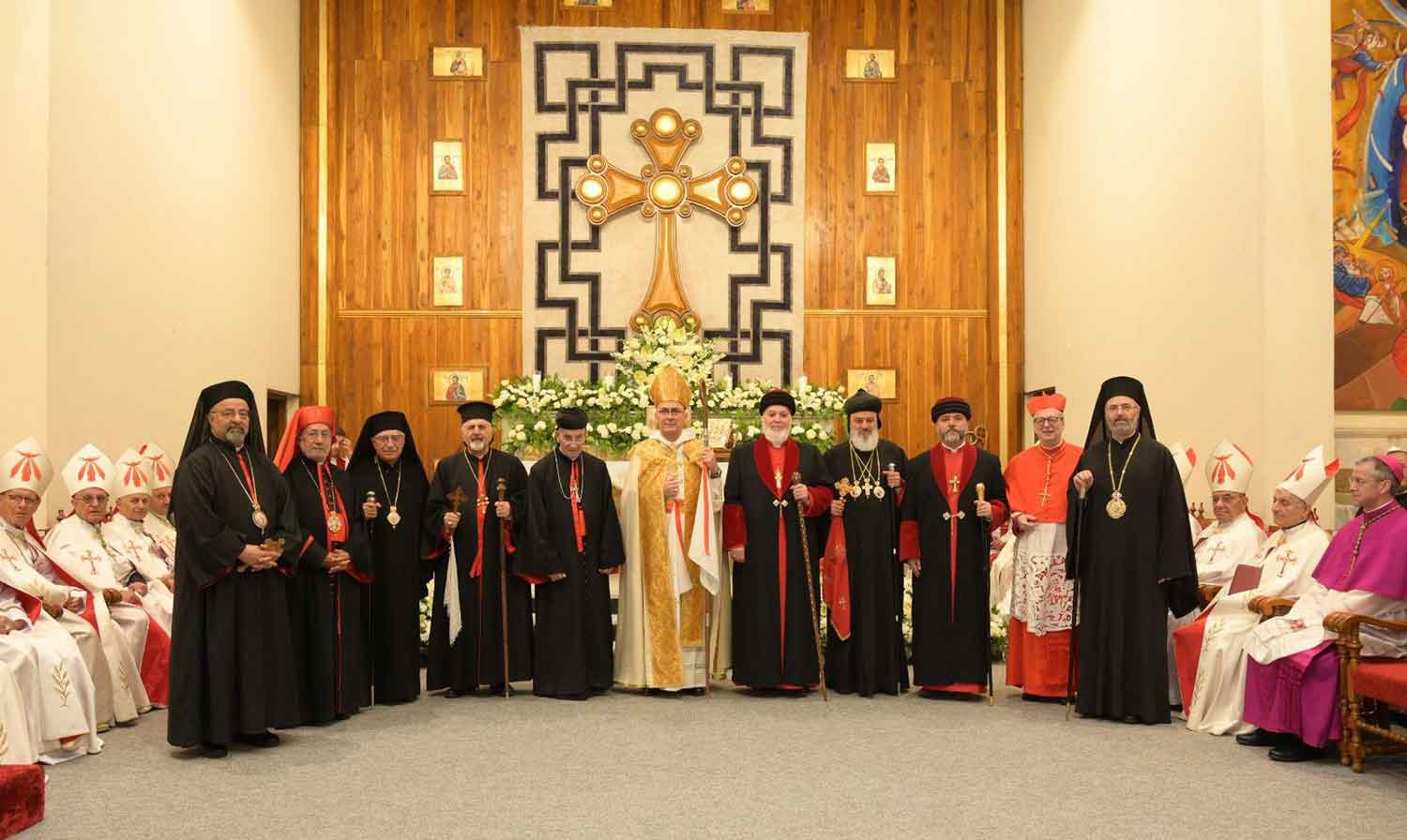
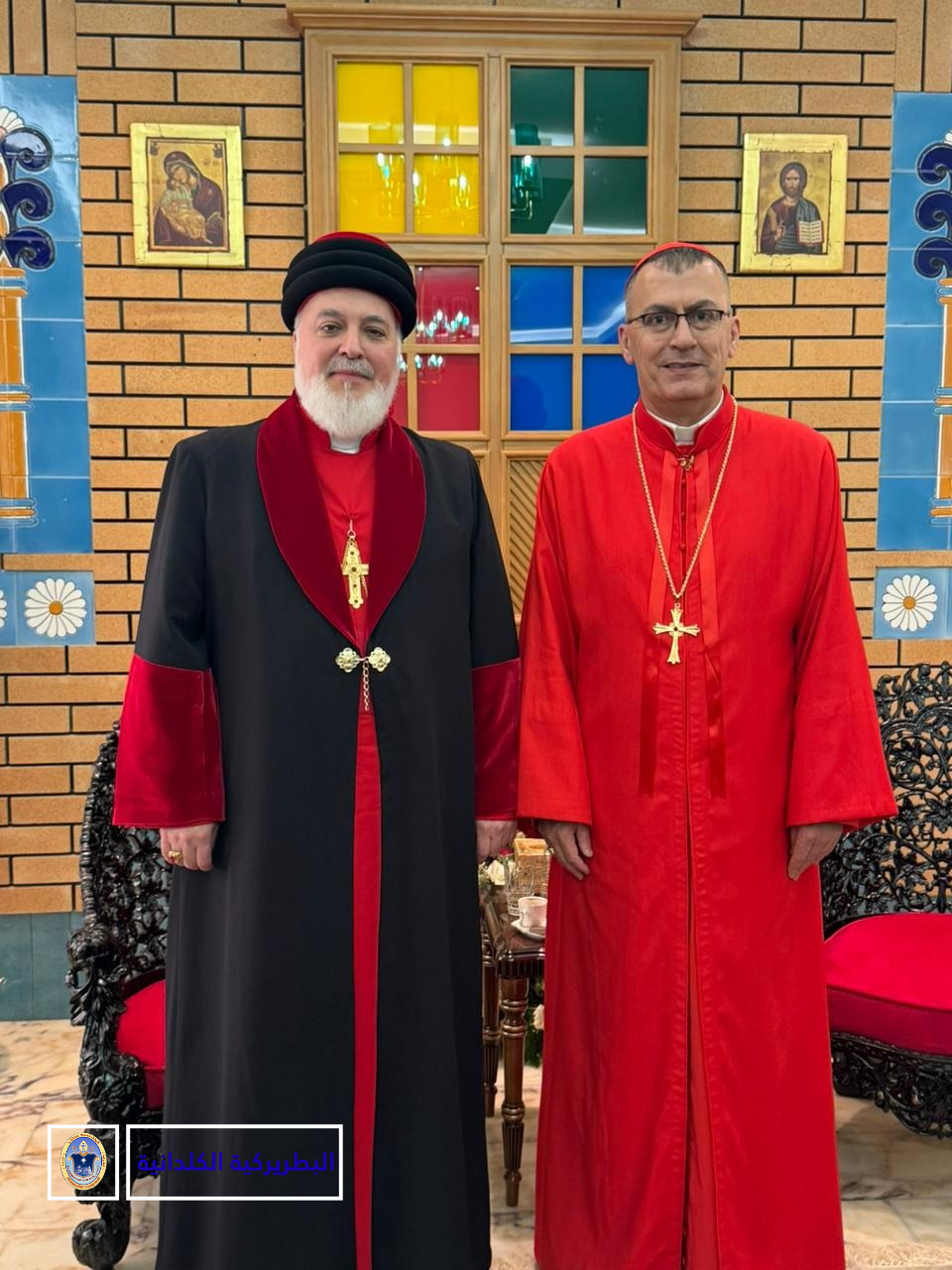
The Assyrian patriarch reflected on what he sees as a meaningful sign of divine providence. The heads of the three churches that descend from the historic Church of the East all bear the title “III” in their patriarchal names.
He said this gives them a special opportunity to deepen cooperation and strengthen coordination among their churches in practical and effective ways.
“In addition to this shared connection that brings us together as brothers in faith and ministry, all three of us have served our churches in the abroad,” he said. “That experience has helped us understand both the needs and the challenges facing our faithful around the world.”
The gift of the Holy Spirit
Asked about practical steps toward the long-desired unity of the Church of the East, Mar Awa III said Christian unity is, above all, a gift from God.
“The unity of the sister churches is first and foremost a gift of the Holy Spirit,” he said. “It is also a living spiritual experience that requires constant prayer, deep reflection, and sincere fraternal cooperation.”
He expressed hope that the three patriarchs would meet soon to discuss pastoral and community cooperation and to develop a roadmap for closer collaboration on shared concerns, both in their homelands and in communities abroad.
“I am confident that our cooperation on the social and political challenges facing our people will help strengthen them in the land of their fathers and preserve our presence and identity,” he said.
Responsible media
Mar Awa III also reflected on the growing power of media and social media in today’s world and their influence on society and the life of the church.
“Freedom of expression is important,” he said, “but it does not mean using that freedom without respect for ethical and human values, whether in religious or secular media.”
He urged media organizations to adopt respectful language that pursues truth and benefits society instead of stirring up pointless disputes or harmful criticism.
He also warned against social media campaigns that target church leaders and clergy with insults, personal attacks, and language that can slide into hatred and defamation.
“Such behavior is not only lacking in accuracy and objectivity,” he said. “It is also far from Christian virtues and moral values.”
Returning to the roots
The patriarch said a new chapter began in the history of the Assyrian Church of the East when its patriarchal see returned to Iraq in 2015 after more than 80 years abroad.
“The return to Erbil brought our Church closer to its deep Eastern roots in Mesopotamia, as one of the oldest apostolic churches in the world,” he said.
Although this has created difficulties in managing communities abroad — where most of the church’s faithful now live — he said the return strengthened their sense of belonging to the church’s traditions and spiritual heritage. It also deepened their connection to their land and historical roots.
Strengthening cooperation
Mar Awa III said the reality facing churches in Iraq and the wider Middle East requires closer cooperation among them, regardless of church affiliation, for the good and future of their faithful.
He stressed that today’s challenges, especially migration, preserving the deposit of faith, and protecting Christian and community identity, require shared attention and cooperation.
He said churches must coordinate more closely to find effective solutions that help preserve the Christian presence in the East and protect its spiritual and historical heritage.
| Credit: ACI MENA
Deep concern over events in Iran
Mar Awa III expressed deep concern over the current war in the region, especially the fate of the church’s faithful in Iran, who are directly affected by it.
He said the outcome remains unclear at this stage.
All churches in the region, he added, are following the consequences of the war with great concern.
“Military conflicts always have serious consequences for small communities, including Middle Eastern Christians,” he said. “Our prayers continue without ceasing that the war end as soon as possible and that dialogue and understanding may silence the sound of weapons.”
Called to support one another
Alongside repeated wars, worsening economic hardships, social instability, and ongoing security challenges have caused painful waves of migration from all churches in the East, especially among young people.
With the renewal of war, Mar Awa III expressed hope that Christians around the world would recognize the suffering of their brothers and sisters in the East and understand the size of the challenges they face.
He encouraged them to support Christians in the region in ways that can help reduce continued migration, especially from Iraq.
He also called on the international community to play its part in addressing the economic and security causes of migration by supporting practical initiatives that help provide the conditions for a dignified life in a safe homeland.
This story was first published by ACI MENA, the Arabic-language sister service of EWTN News. It has been translated and adapted by EWTN News English.