

The Vatican is participating in the international art exhibition “La Biennale di Venezia” in Italy for the fourth consecutive year. A senior Vatican official explained the Vatican’s support for the exhibition and its recent focus on contemporary art.
Irish Bishop Paul Tighe, secretary of the Culture Section at the Dicastery for Culture and Education, told EWTN News that contemporary artists can reach people in ways that the Church cannot.
“Contemporary artists have their fingers on the pulse of humanity,” Tighe told EWTN News. “We want to honor their lives, encourage them, and show them we are listening.”
“They use different idioms — sometimes strange, sometimes difficult — to communicate and alert us to profound realities. We want artists to know the Church’s engagement with art isnʼt just in the historical past tense; it’s an ongoing dialogue today.”
Why the Vatican is turning to contemporary artists
The Holy See, through the Dicastery for Culture and Education, has a pavilion at the Venice Biennale — which runs through Nov. 22 — featuring the work of American punk-rock singer Patti Smith and soft brutalist Mexican architect Tatiana Bilbao.
This initiative is among several in recent years that reflect the Vatican’s focus on promoting contemporary art. On Sept. 14, Pope Leo XIV will inaugurate an exhibit on water at the Vatican Apostolic Library. In 2025, the Vatican hosted contemporary art exhibits during the jubilee year, including a gallery space on the main road leading to St. Peter’s Basilica, which still features works by contemporary artists.
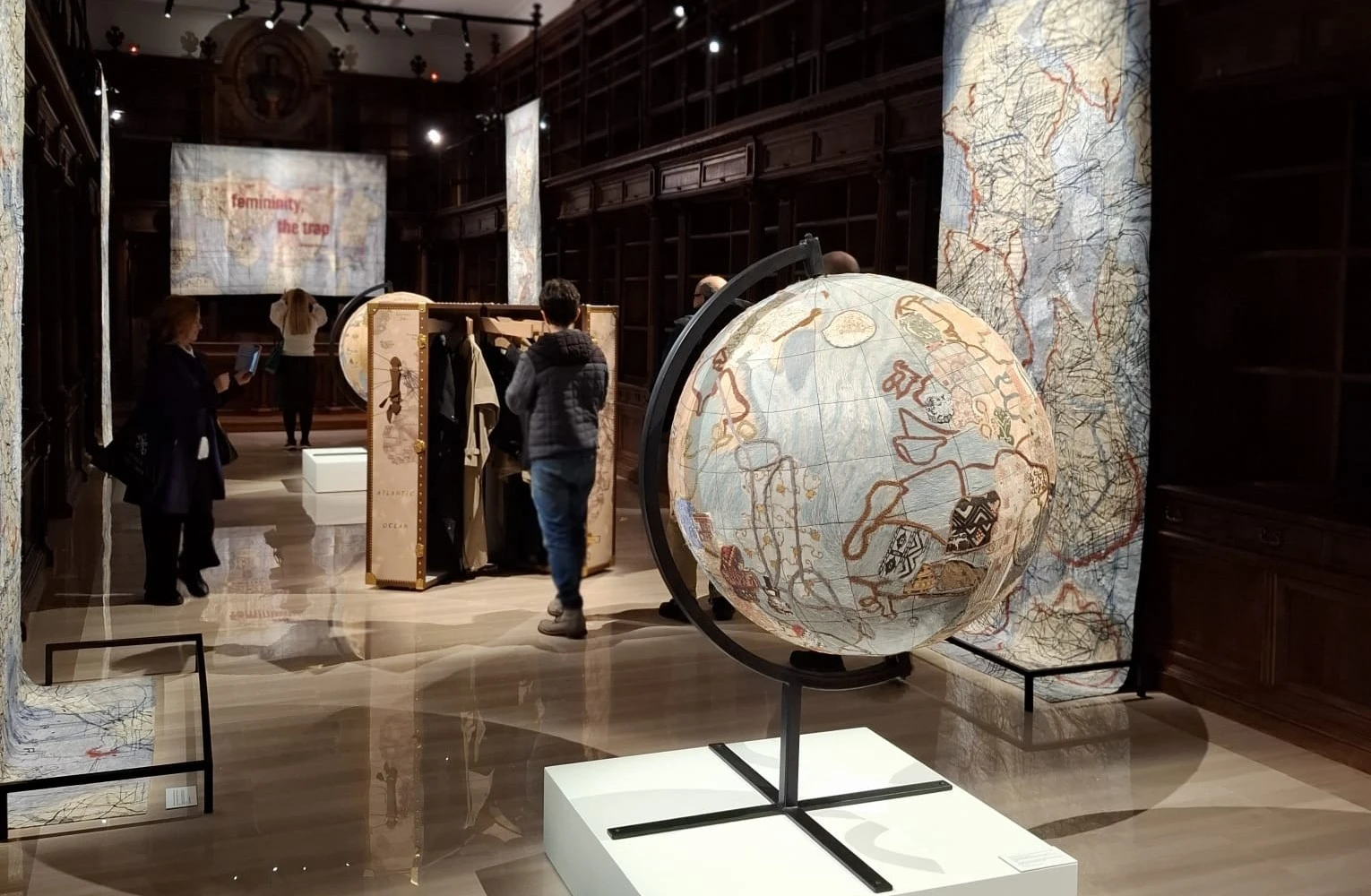
Tighe defended the Vatican’s partnership with contemporary artists, saying that the Church has learned from them since its beginning.
“The Church has been both inspiring artists and encouraging artists, but also learning from artists,” Tighe said.
“If you think of something like the Biennale, there are lots of younger people from the worlds of the arts. Many of them are probably not overly engaged with religion or with faith. There is the kind of art that speaks the language of today because of the concepts the artists of today are using. We need to engage with them.”
In describing the Vatican’s focus on contemporary art, Tighe likened its appeal to that of sports, encouraging Catholics to use it to open conversations about faith.
“We have given a lot of attention and emphasis to sport because, in reality, there are more people on any given Sunday engaged with sport than are engaged with faith. [We Catholics] could lament that, or we can say, ‘Well, letʼs try and speak to them,’” he said.