
WARSAW, Poland — From Nicaragua to Nigeria, Belarus to China, the Catholic Church is once again facing repression in many parts of the globe. Among those whose witness speaks directly to that reality is Archbishop Antoni Baraniak (1904–1977), a forgotten dry martyr of Stalinism who refused to betray the primate of Poland despite suffering months of extremely painful and humiliating tortures.
Baraniak was born to a farming family in the Greater Poland region, then part of the German partition of Poland. At 16, he entered the Salesian novitiate in Oświęcim and was ordained a priest in 1930. In 1933, the primate of Poland, Cardinal August Hlond, Baraniak’s fellow Salesian, appointed the latter as his secretary.
Six years later, after the fall of Poland, the Polish government urged Hlond to flee the country, first to Rome and then Lourdes.
The cardinal used this as an opportunity to write reports detailing Hitler’s atrocities in Poland addressed to Pope Pius XII and organize humanitarian aid for war refugees; Baraniak assisted him in these efforts.
In 1943, Hlond was arrested by the Gestapo and would be freed only after the liberation of France; during Hlond’s absence, Baraniak continued the former’s humanitarian efforts.
In 1948, Hlond died, and the new primate, Blessed Cardinal Stefan Wyszyński, retained Baraniak as his secretary. Three years later, Baraniak was appointed auxiliary bishop of Gniezno, Poland’s first capital and oldest Catholic see.
Arrest and torture
At this point, Poland was behind the Iron Curtain. The Stalinist persecution of the Polish Church reached its climax in 1953, with many priests and laypeople arrested on trumped-up charges.
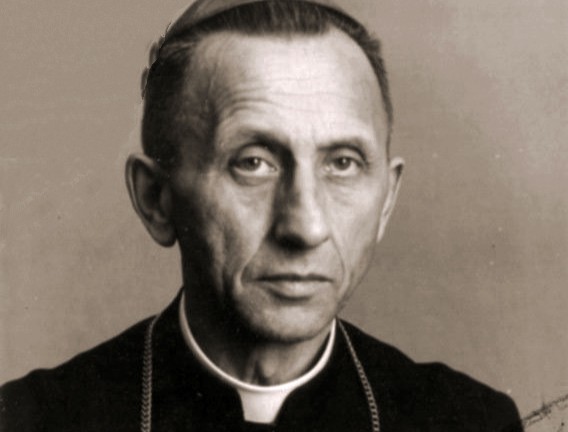
Baraniak was detained for maintaining contacts with the anti-communist Freedom and Independence Association (Wolność i Niezawisłość, WiN). He was jailed at the notorious Mokotów prison in Warsaw, run by the Ministry of Public Security, Poland’s equivalent of the NKVD.
Other anti-communist bishops were then imprisoned in Mokotów (Wyszyński, meanwhile, was held in several isolated former monasteries across Poland), including Bishop Czesław Kaczmarek of Kielce, who in a Stalinist show trial had been falsely charged with being a Nazi collaborator, and Wojciech Zink, the heroic ethnic German apostolic administrator of Warmia whose “crime” was refusing to sign a statement condemning the Polish primate.
Baraniak was kept in Mokotów for 27 months. During this time, he was starved and beaten; his fingernails were ripped off; and he was often kept in solitary confinement, naked, in a freezing, claustrophobic cell filled with human excrement. He was brutally interrogated 145 times yet never signed statements falsely vilifying Wyszyński; his refusal made it more difficult for the regime to later manufacture accusations in a campaign defaming the primate.
Signing such statements could have instantly ended Baraniak’s agony. In Jolanta Hajdasz’s documentary “Żołnierz Niezłomny Kościoła” (“The Indomitable Soldier of the Church”) Marek Jędraszewski, archbishop emeritus of Krakow and Lodz, quotes Baraniak’s priestly acquaintance as saying that after each interrogation, the jailed bishop would tell himself, “Baraniak, you can’t act like a swine.”
Archbishop of Poznań
Amid a post-Stalin thaw, Baraniak was freed in 1956. The Holy See nominated him to be the new archbishop of Poznan; the communist regime accepted, apparently confident that the emaciated, sickly Baraniak’s ministry would be brief.
Indeed, Baraniak led the Archdiocese of Poznan for 20 years. During this time, the Salesian bishop took to heart St. John Bosco’s concern for the young, promoting youth ministry and vocations, ordaining an impressive 600 priests during his episcopacy.
Baraniak participated in all four sessions of the Second Vatican Council; he urged his fellow council fathers to speak up explicitly in defense of Christians persecuted by communist regimes. He maintained contacts with the underground Church in Czechoslovakia and the Soviet Union, even clandestinely ordaining Czech priests.
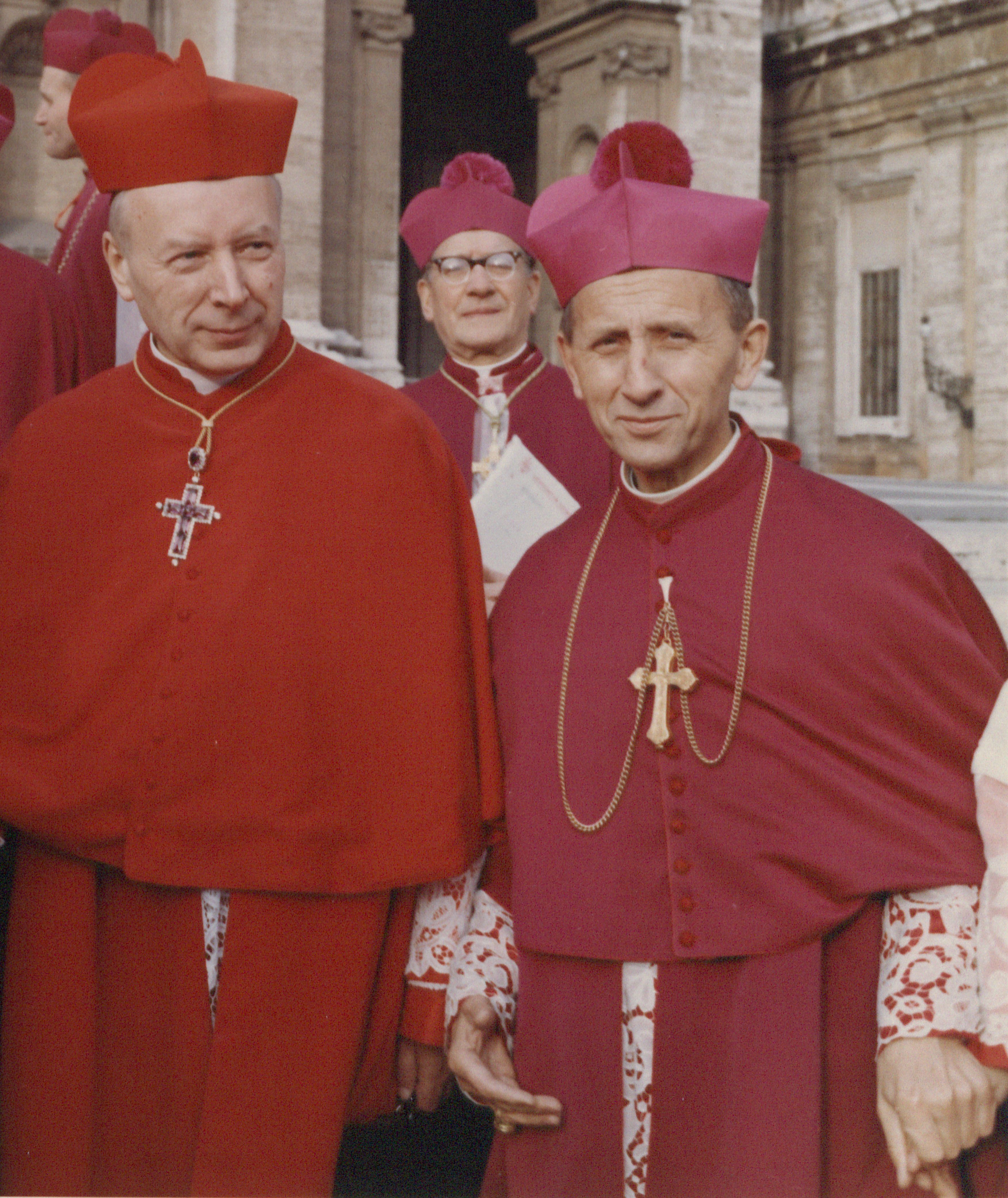
During the Polish bishops’ ad limina visit to Rome, Pius XII introduced Baraniak to Roman Curia officials with the words: “Ecco il vero martire” (“Here is a true martyr”).
A week before Baraniak’s death, Cardinal Karol Wojtyła visited the hospitalized archbishop of Poznan. “Your Excellency, the Church in Poland will never forget that you defended her under the worst possible circumstances,” he said. A year later, Wojtyła would be elected pope and become a true spokesman for the persecuted Church.
Cause for beatification
In October 2017, the Archdiocese of Poznań announced it would open a cause for beatification for its heroic former shepherd; four years later, the Congregation (now Dicastery) for the Causes of Saints stated a cause would be opened upon sufficient evidence of “lively devotion” to the bishop.
Meanwhile, in 2024, the Polish Parliament declared the Year of Archbishop Antoni Baraniak. For many, a blessed Baraniak would be a perfect intercessor not only for the Church persecuted in many parts of the world but also for the faithful in every circumstance.