


At least 20 people have reportedly died in the series of landslides that swept through refugee camps and communities in southeastern Bangladesh after heavy monsoon rains last week.
A Catholic charity is one of the organizations helping survivors.
Caritas Bangladesh mobilized local staff and community volunteers, who went door to door sharing early warning messages and helping families in high-risk areas move to safety before the worst of the rains arrived.
“Our Emergency Response Program team in the Rohingya camps in Coxʼs Bazar is working in close coordination with the Camp-in-Charge offices to provide emergency shelter assistance, WASH support, and dignity kits to affected households, enabling them to meet their immediate needs,” said Apurbo Mrong, director of programs at Caritas Bangladesh.
The team is also maintaining close communication with government authorities and United Nations sector partners to assess emerging needs and identify gaps in services, Mrong said.
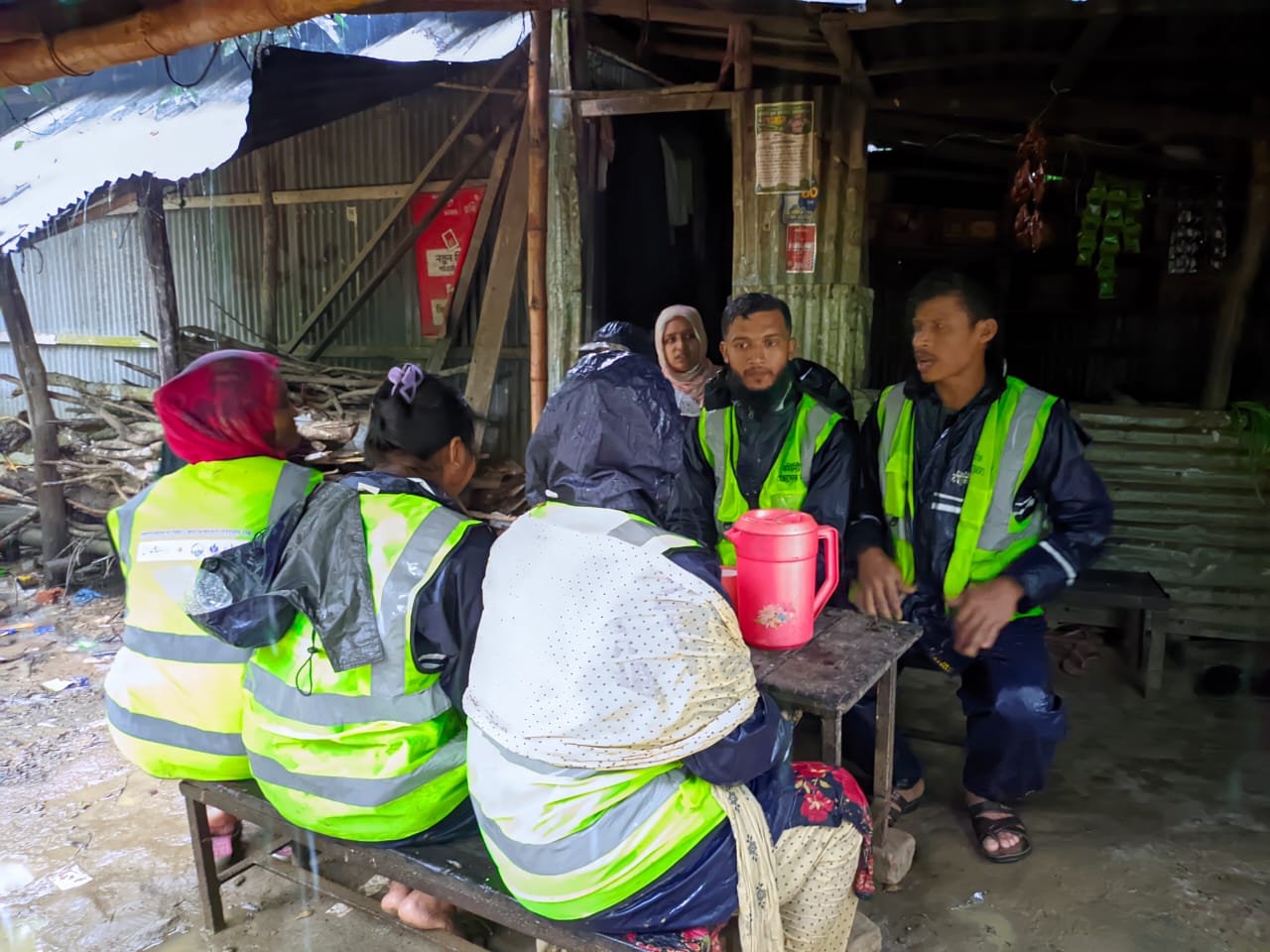
“Together with the support of Caritas Internationalis network members and other partners, we remain committed to standing alongside flood-affected people in both the Rohingya camps, the host communities, and other areas of Chattogram Division, ensuring timely and appropriate assistance reaches those who need it most,” he said.
How Caritas helps those in need
Caritas Bangladesh has worked in the camps for years, providing shelter, water and sanitation, child protection, and education. Between 2017 and 2024, its shelter and settlement program reached an average of 38,335 households a year through shelter assistance, repairs, tarpaulin distribution, and monsoon support, the charity said. It runs 12 learning centers and two youth and adolescent centers in the camps, teaching children under the Myanmar curriculum.
Rohingya have fled Myanmar for Bangladesh since the 1970s. In the 1990s, more than 250,000 sheltered in Coxʼs Bazar, though all but 20,000 were repatriated after a campaign that began in the early 2000s.
The influx resumed in 2015, and by 2017 an estimated 300,000 Rohingya were in Bangladesh. About 537,000 more fled across the border to Coxʼs Bazar in August 2017 as violence intensified in Myanmarʼs Rakhine state.
The United Nations called the 2017 campaign “a textbook example of ethnic cleansing,” a characterization Myanmar rejects and has contested at the International Court of Justice, where it faces a genocide case.
By December 2023, almost 1 million Rohingya were living in 33 camps in the Coxʼs Bazar district. Pope Francis met a group of them during his apostolic visit to Bangladesh in 2017.
The land the Bangladesh government provided to the migrants was once forested and hilly. Trees were cleared and settlements were built on the hills and foothills, and landslides now occur when heavy rains bring flooding.
“If we had stayed in our country [Myanmar], it wouldnʼt have been so difficult,” said Mohammad Kalam, a father of five. He said families are living in inhumane conditions unfit for human beings, and that while they receive food, the cramped living space is not habitable.
“We donʼt want to stay in this situation; we want to return to our own country with dignity,” he said.