

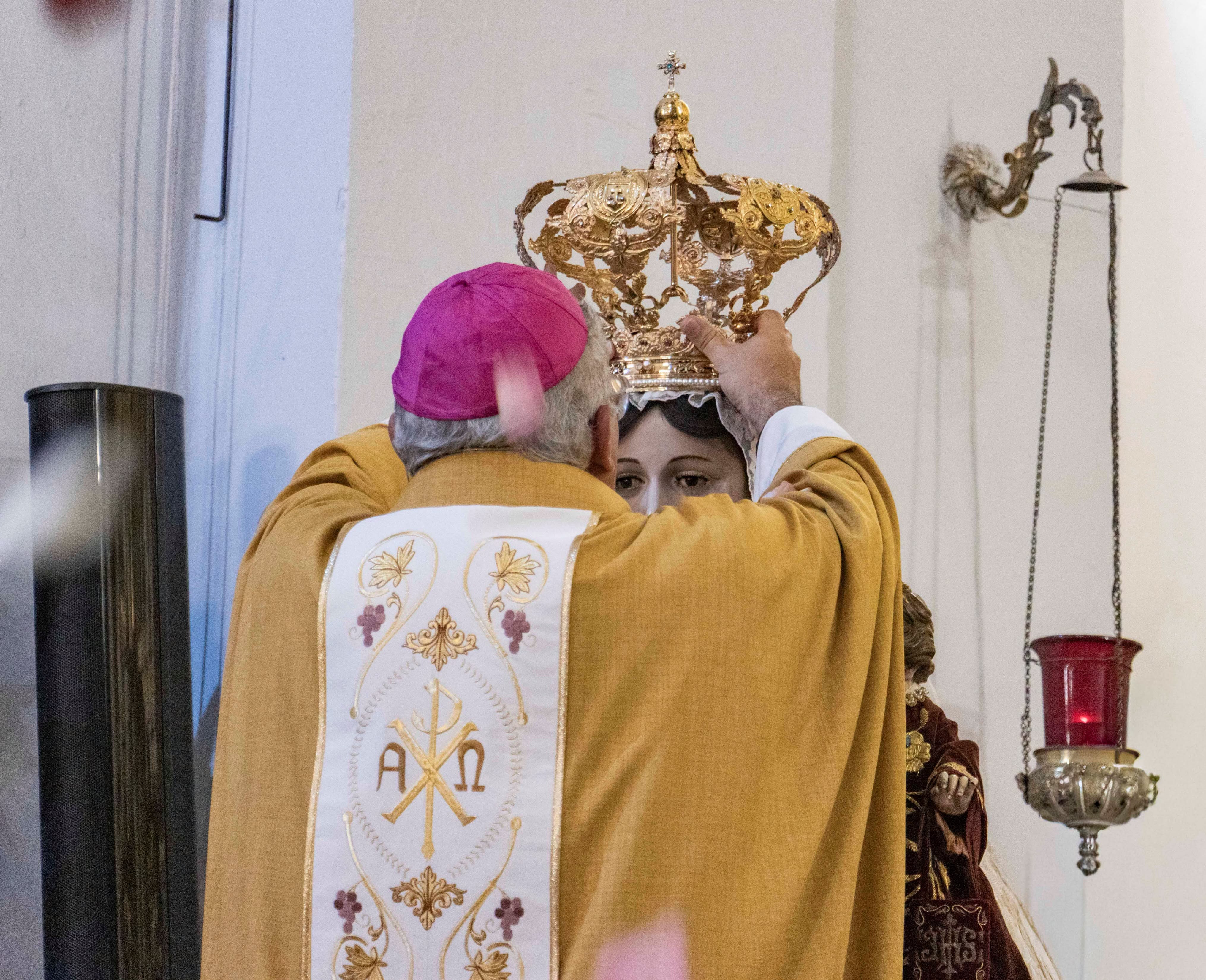
As of this year, devotion to Our Lady of Mount Carmel has a new site in Mexico City. On July 15, the old non-parochial church of Our Lady of Mount Carmel was dedicated as an archdiocesan shrine, marking the beginning of a new chapter for the historic church.
In recent days, the church, located in the traditional San Ángel neighborhood on the city’s south side, has begun to welcome more visitors than usual. Every year on the feast of Our Lady of Mount Carmel, celebrated on July 16, hundreds of pilgrims are drawn to the shrine.
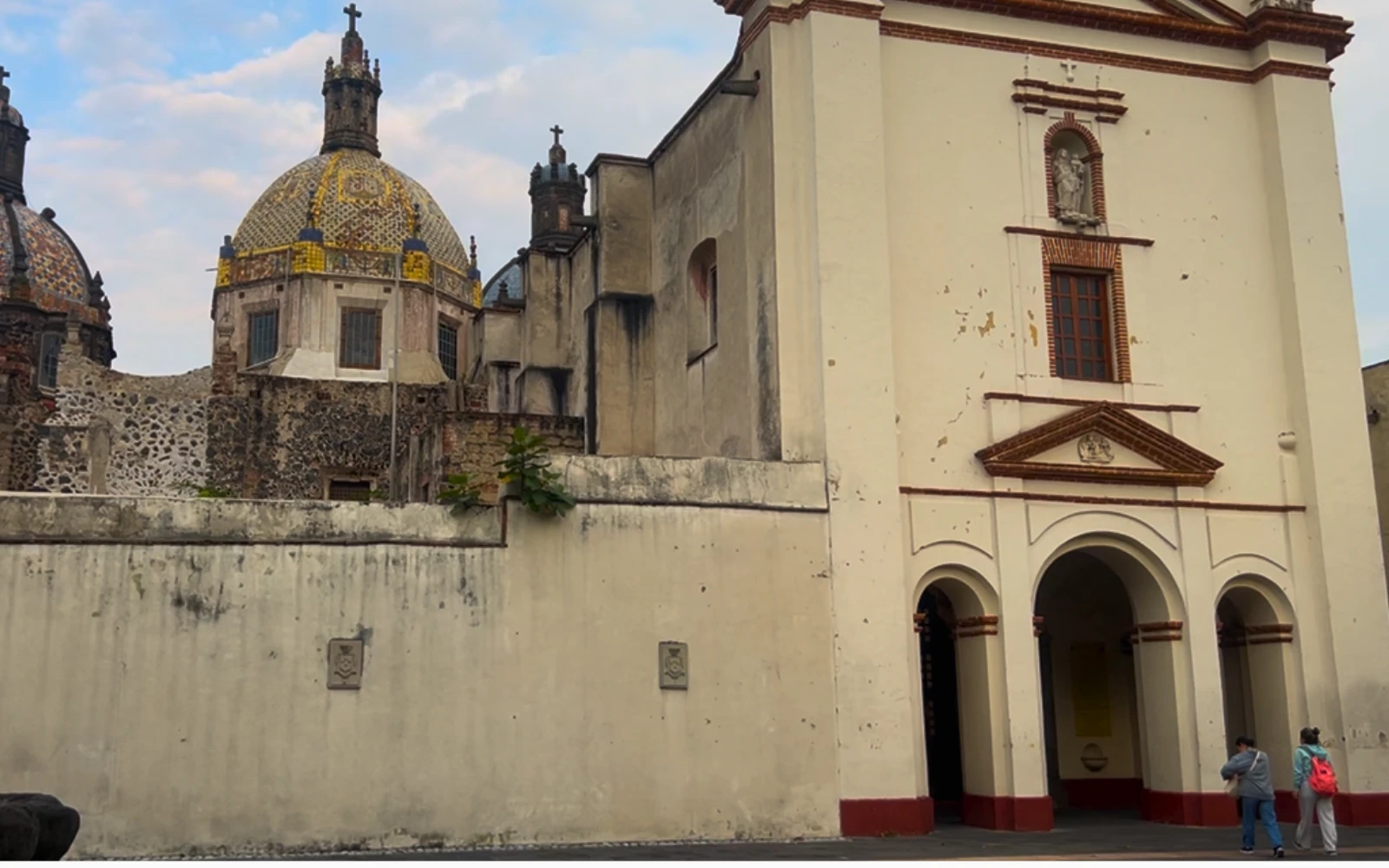
However, interest has gained new momentum since Cardinal Carlos Aguiar Retes, primatial archbishop of Mexico, announced in May that the historic church would be elevated to a shrine.
Among those drawn by curiosity was Mariana Ledesma. Although she acknowledged that she is only just beginning to learn about this devotion to Our Lady under this title, she wanted to be part of a moment she considers historic.
“The shrine is beautiful and full of symbolism; seeing the devotion of the entire community, being able to share in that faith, is something truly beautiful. That is precisely the purpose of the shrine: to make it known to others as well,” she told ACI Prensa, the Spanish-language sister service of EWTN News.
4 centuries of history
The relationship between Mexico City and Our Lady of Mount Carmel dates back to 1585, when the first missionaries of the Discalced Carmelite order arrived in New Spain to assist in the work of evangelization.
In the early 17th century, they established one of their most important convents in San Ángel, from which they fostered contemplative life, spiritual formation, and devotion to Our Lady of Mount Carmel, a devotion that took deep root among the capitalʼs inhabitants.
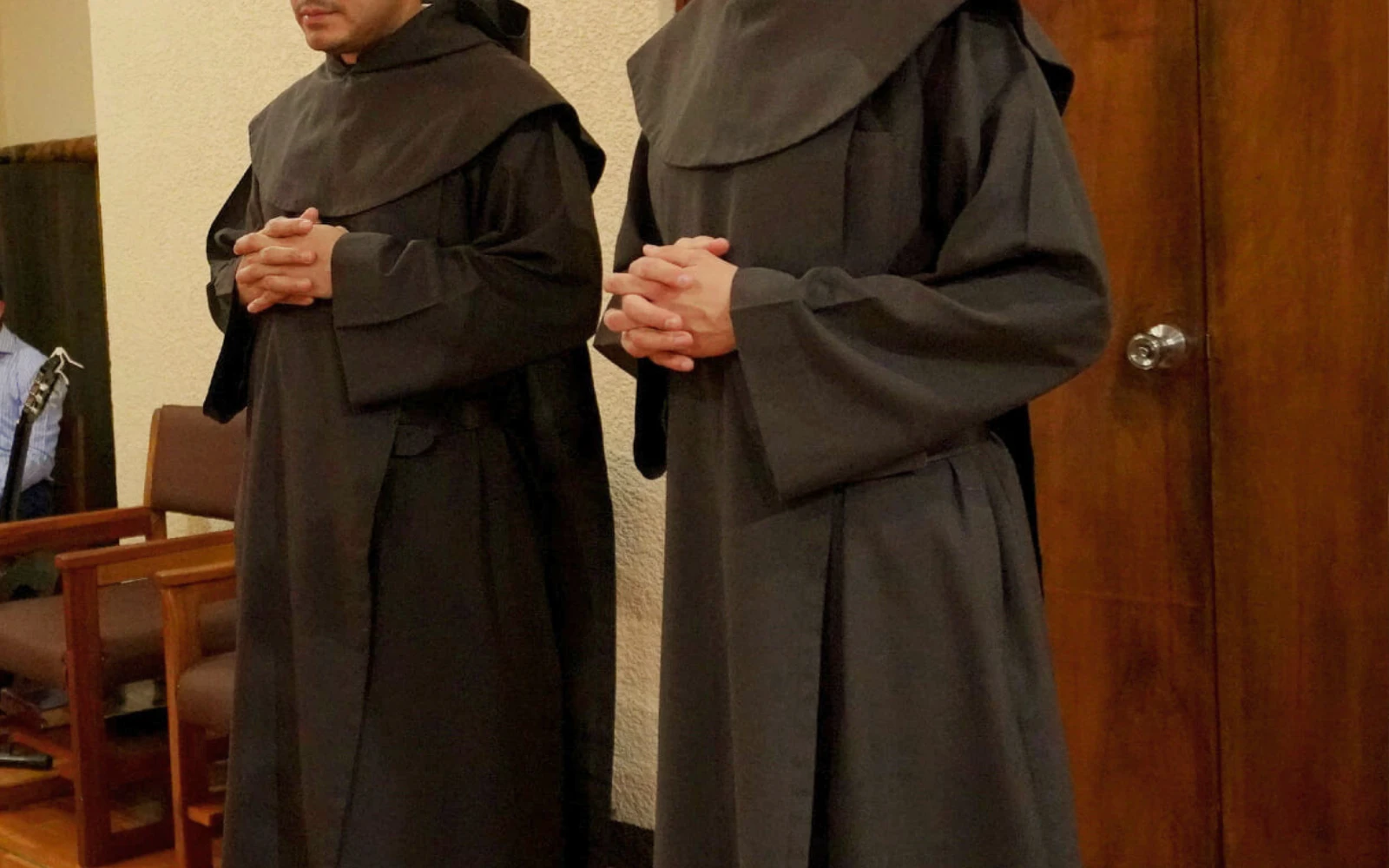
For centuries, the church and convent served as an important religious and cultural center. However, following the Reform Laws of 1876, the old convent was nationalized and became state property.
Today, Our Lady of Mount Carmel Church remains a place of Catholic worship while the former convent, after serving various purposes over the years, houses a museum.
After more than 400 years of tending to the church, this year the Discalced Carmelites handed over its administration to the Archdiocese of Mexico due to a decline in vocations within the order.
Mary, ‘strengthen my heart’
During the Mass of canonical dedication as a shrine, Héctor Mario Pérez Villarreal, auxiliary bishop of Mexico, explained that the decision to elevate the church to a shrine reflects the fact that the faithful have long been making pilgrimages there to “seek solace and to come seeking the nourishment of the sacraments and the mercy of confession.”
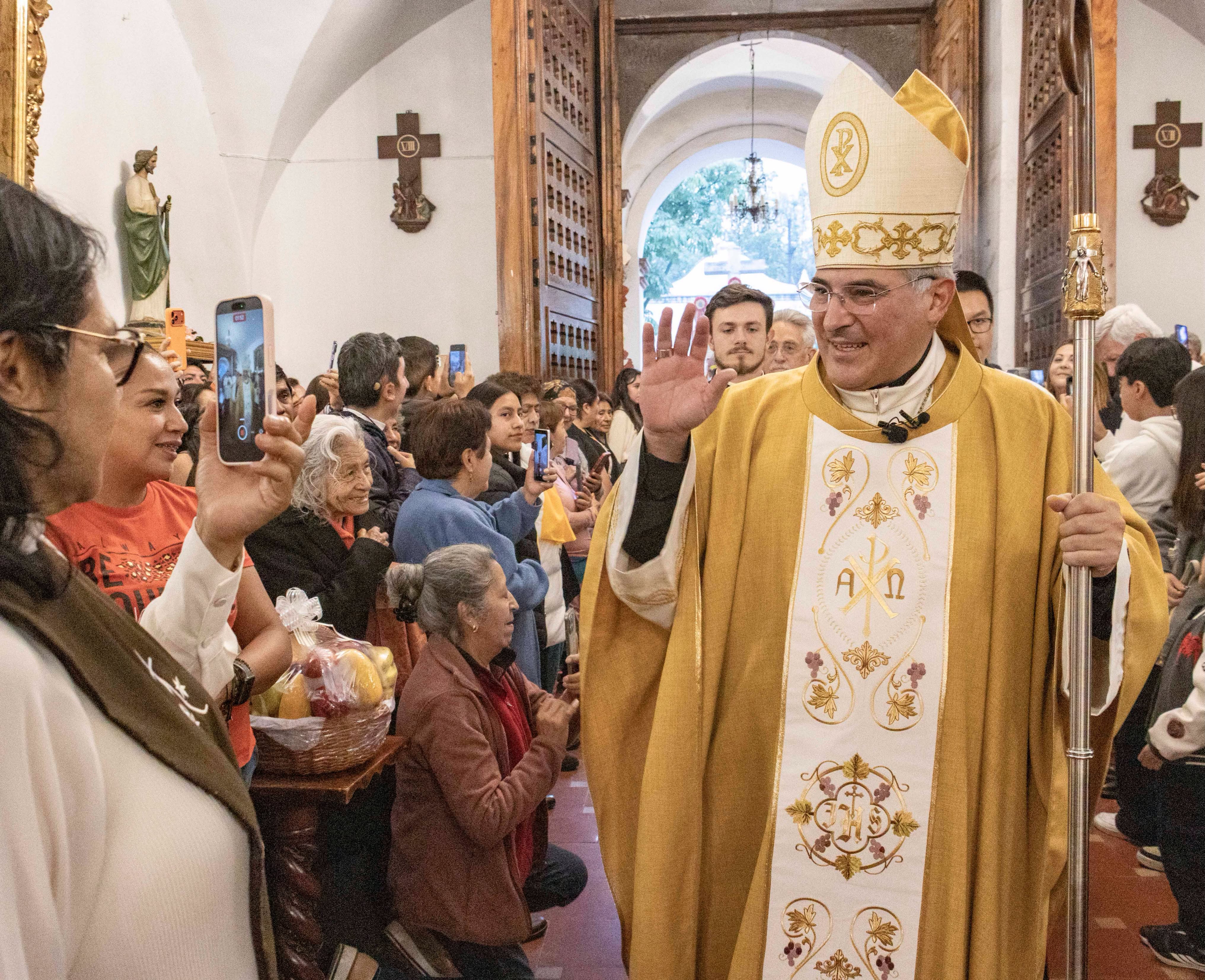
“Let us hope that this [act] serves as an encouragement for many more people to return here to renew the consolation offered by the Virgin of Mount Carmel and their love for Jesus Christ,” he stated.
He also invited the faithful to turn to Mary during times of difficulty. He noted that when faith or hope “begin to fade,” it is necessary to turn one’s gaze toward Mary and say: “Most Holy Mother, you who were able to remain faithful even [standing] before your Son’s cross, strengthen my heart.”
Petitions to Our Lady of Mount Carmel
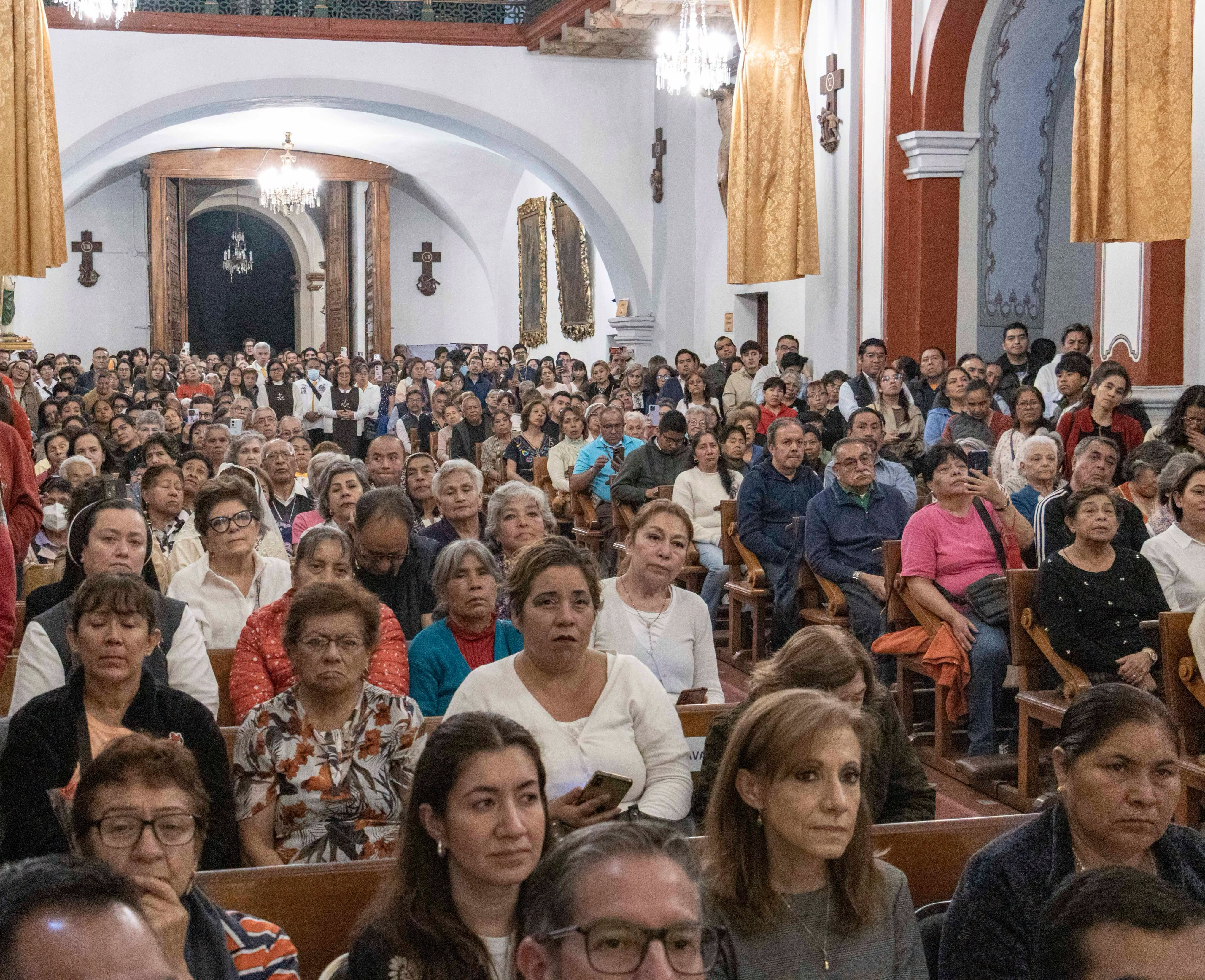
The aisles of the shrine were filled with people holding scapulars, flowers, or photographs of their family members. Some came to give thanks for favors received; others sought to place their concerns in Maryʼs hands.
Among them was Claudio de la Paz, a devotee who traveled from the state of Campeche, over 500 miles away, to take part in the celebration. In addition to hoping the faithful will draw closer to Our Lady of Mount Carmel, he asked that young people be specially commended to her care, as he said they are currently going through “times of great vulnerability.”
For Rafael Estrada, devotion to Our Lady of Mount Carmel “represents a quest for peace, serenity, and harmony.” Estrada urged Catholics to ask for Mary’s protection amid the tribulations Mexico is going through.
Sister Nina Ramos, a religious of the Franciscan Sisters of the Immaculate Conception, invited the faithful to visit the new shrine and noted that those who fulfill the conditions established by the Church may obtain a plenary indulgence.
This story was first published by ACI Prensa, the Spanish-language sister service of EWTN News. It has been translated and adapted by EWTN News English.