

WASHINGTON — Witnesses called for U.S. intervention to end the ongoing persecution of religious minorities in India, including Christians, at a hearing on Capitol Hill.
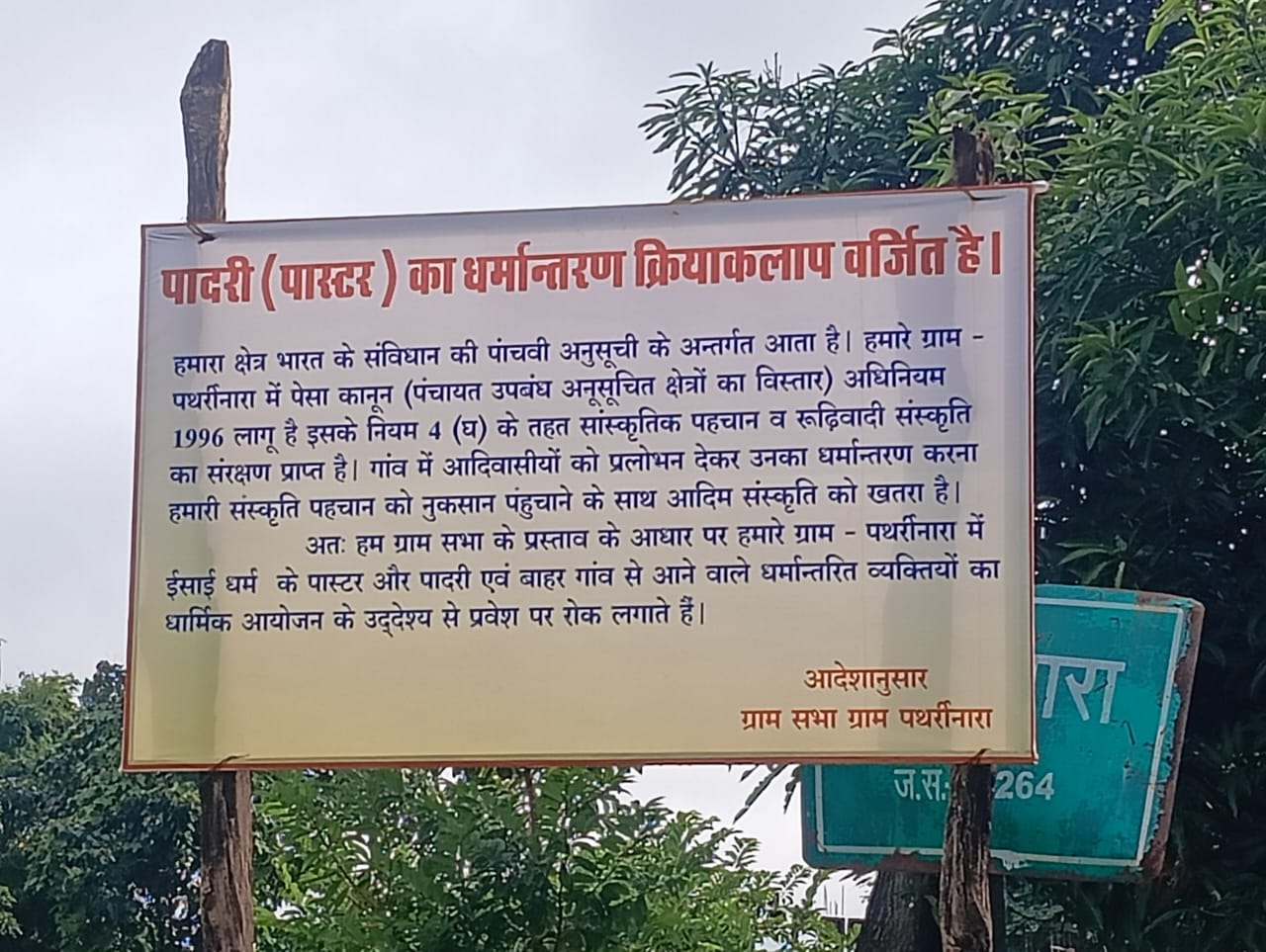
“Religious freedom in India is abysmal. Religious minority communities and their places of worship remain particularly vulnerable to discriminatory legislation, surveillance, and harassment,” U.S. Commission on International Religious Freedom (USCIRF) Vice Chair Asif Mahmood said during a May 7 hearing. “Members of the clergy are also routinely arrested and released under accusation of conducting forced conversions.”
USCIRF Chair Vicky Hartzler also highlighted persecution in India on the national, state, and local level through discriminatory legislation, arbitrary detention of religious leaders, failure to intervene in attacks against religious minorities, anti-conversion laws in 13 out of 28 states, anti-terrorism laws targeting minorities, and citizenship laws. She described religious freedom in India as continuing in “a downward trajectory.”
The hearing comes as the commission warns of escalating attacks against Christians in India, including mob violence and property destruction. The Catholic population in India is about 23 million, about 1.6% of the countryʼs population, according to the Vatican.
Raqib Naik, founder and executive director of the Center for the Study of Organized Hate, called for the State Department to designate India as a country of particular concern (CPC).
“I believe that acknowledging the problem is the first step,” Naik said. “I think the U.S. should designate India as a CPC. I think that should be the first step because you cannot have a solution without acknowledging the problem.” Naik further called for sanctions and heightened awareness of transnational repression, which he said poses a “national security threat.”
Former U.S. Ambassador-at-Large for Global Criminal Justice Stephen Rapp called for “methods that have a bite to them” to place pressure on the Indian government to end religious persecution in the country. Rapp encouraged heightened reporting of religious freedom violators to “build cases” against them so that it may be possible to prosecute them internationally in the future.
“Maybe many of the perpetrators may never travel, but basically you send a signal that if you commit crimes like these there will be no rest in this life,” Rapp said. “It’s not enough, but it’s something.”
Religious freedom advocate David Curry called for the State Department to demand that its international partners uphold religious liberty as a preliminary requirement in all negotiations.
“The international religious freedom infrastructure within the State Department should be part of every discussion and negotiation,” Curry said. “Human rights and international religious freedom should be part of these discussions.”
Indian anthropologist Angana Chatterji echoed Curry, urging the U.S. “to examine seriously the impossibility of economic benefit and profit from relations with India under the current extreme conditions.”
Georgetown Law professor Arjun Sethi noted that India’s Prime Minister Narendra Modi was banned under the George W. Bush administration from entering the U.S. from 2005 to 2014. “And now he’s courted by this country,” he said.
“I think we should just have a much deeper understanding of who he is, what he stands for, and what he’s about,” Sethi said.