

When John Paul Flynn, a rising junior at Catholic University, decided to do mission work, he did not realize he would be doing it with Christ himself.
Since May 24, Flynn has been part of a nine-person team taking the Blessed Sacrament across 18 dioceses as part of the National Eucharistic Pilgrimage, which will finish in Philadelphia on Sunday in celebration of the country’s 250th anniversary celebrations.
Pope Leo XIV will deliver a video message prior to the closing Mass in the Cathedral Basilica of Saints Peter and Paul.
The 2026 pilgrimage is under the patronage of Saint Frances Xavier Cabrini, the first United States citizen to be canonized. During Pope Leo XIV’s visit to Pavia on June 20th, he venerated a relic of the heart of Saint Frances Xavier Cabrini brought from Codogno.
The pope’s veneration of St. Frances’ relic occurred the same week that Flynn and his fellow perpetual pilgrims accompanied the Eucharist to a private retreat at the Mother Cabrini National Shrine in Manhattan, where the saint is buried.
The procession crossed the Delaware River in homage to the route George Washington took during his iconic crossing there in 1776.
Another highlight for Flynn was when the monstrance was lifted high in front of the Washington Monument.
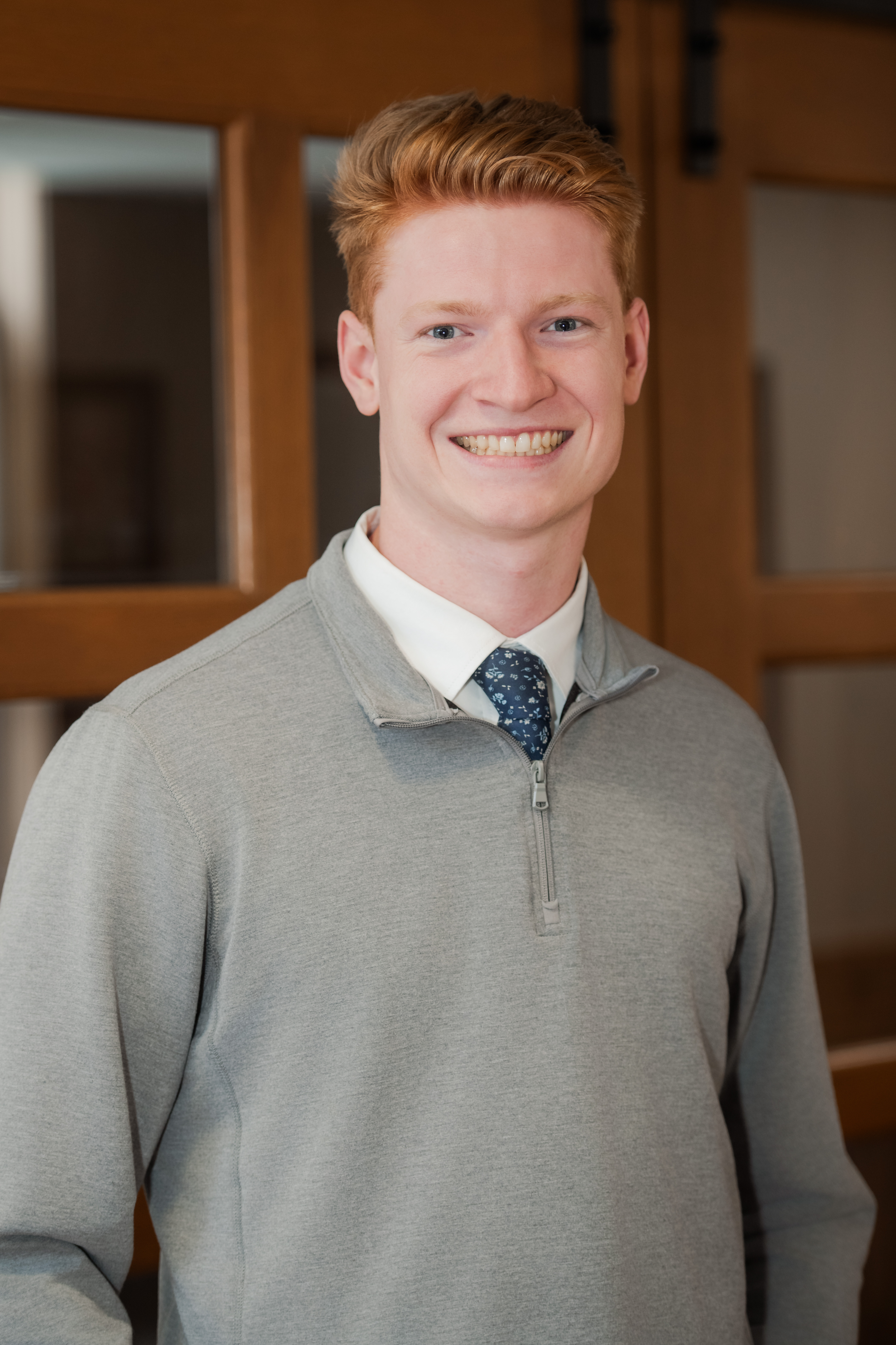
“I knew I wanted to do mission work. I saw an application, prayed about it, and applied to be a part of the team,” Flynn, a social media coordinator and photographer, told EWTN News. “I knew I wanted to use my talents for Christ. This is a special opportunity to be with Christ 24/7.”
In this case, “24/7” means taking the Tabernacle by van in between pilgrimage stops and accompanying the Eucharist down city streets, country roads, even into retirement homes, and encountering people of “diverse communities,” he said.
When Flynn and the team recently walked through Boston, including down the Freedom Trail, they were joined by some 3,000 fellow believers, the biggest showing on the pilgrimage yet.
Pilgrim Raymond Martinez, II, a fourth-year seminarian at Conception Seminary College in Conception, Missouri, said the processions and the timing around the nation’s milestone made him reflect on the history of the Church in America, and how far Catholics had come from, being excluded from public office to being able to worship freely like they did this summer.
The closing events in Philadelphia on Independence Day weekend will draw pilgrims to two shrines that speak to the legacy of the Church in America: the tomb of St. Katharine Drexel, the first native-born United States citizen to be canonized, and the shrine of Saint John Neumann, the first canonized American bishop.
Martinez and Flynn both said they encountered the occasional heckler as well as commuters annoyed by street closures, but overall, the reception in the processions was positive and conducive to evangelization.
“If youʼve pulled off all these logistics, there must be divine help,“ they recalled an atheist telling them in Georgia.
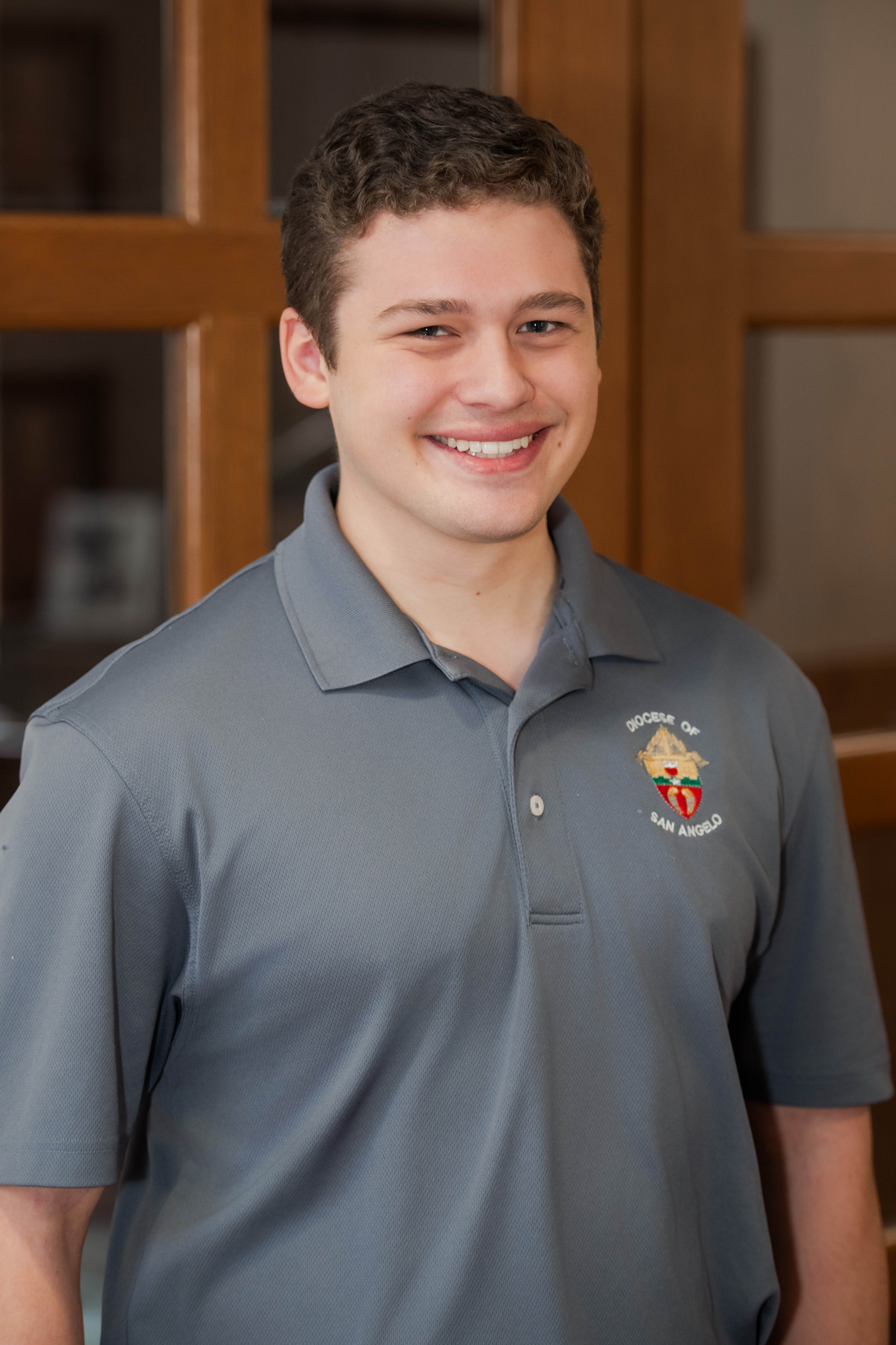
While Flynn managed social media, Martinez was tasked with missionary work from handing out prayer cards, t-shirts and food to homeless people watching from the sidelines to answering questions from curious bystanders who had never seen the Eucharist.
Flynn and Martinez said that the response they received from non-Catholics — as well as those estranged from the Church — was worth the long days, many in extreme heat.
One bystander told pilgrims he was Catholic but had never actually attended Mass. Another they encountered on a boardwalk explained he had been away from the Church for years but felt inspired to return.
The pilgrimage will continue next year, with the goal of visiting all fifty states. The next National Eucharistic Congress will take place in 2029 and is still collecting prayer intentions from across the country and Holy Hour pledges as part of its goal of offering 250,000 Holy Hours in honor of the anniversary year.